AI Companions and "AI Girlfriends" Infiltrating The Lives of Young Boys
12-to-14-year-olds heavily exposed to sexually suggestive text-based roleplay and unmonitored spaces."Voice of the Boys" groundbreaking research conducted by British organization Male Allies UK reveals shocking statistics.

The Synthetic Sanctuary: Why Teen Boys Are Replacing Real Life with AI—and How We Fight Back
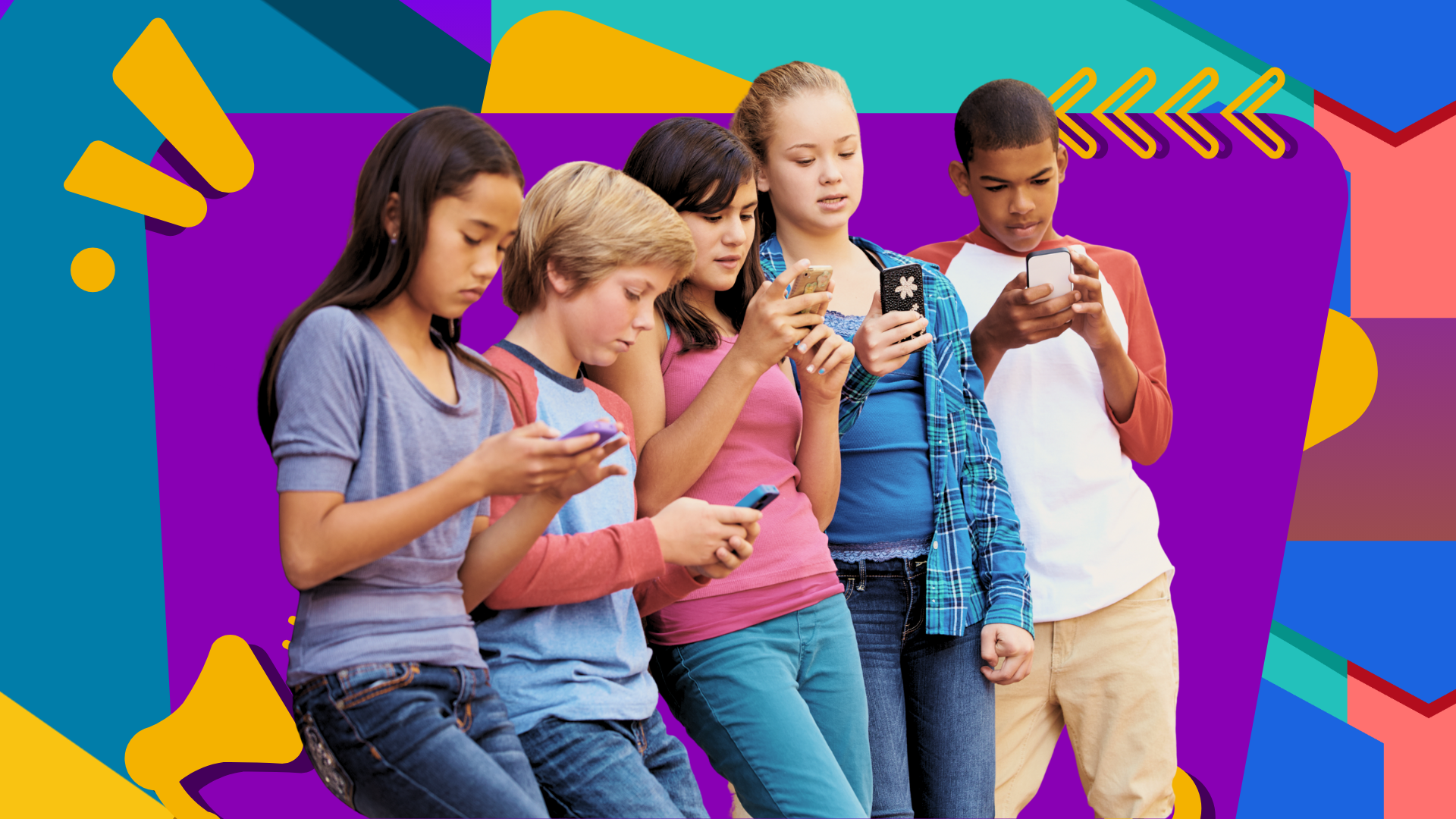
A quiet crisis is unfolding inside the bedrooms of millions of teenage boys across the globe, and it doesn't look like the rebellious phases of generations past. There are no slammed doors, loud music, or late nights out with friends. Instead, there is only the soft, ambient glow of a smartphone screen and a thumb scrolling through endless lines of text.
On the other side of that screen isn't a friend from school, a gaming buddy, or a real-world crush. It is an AI companion—a customized, highly responsive bot programmed to simulate a romantic relationship.
For a long time, tech companies brushed this off as a niche quirk or harmless sci-fi curiosity. But groundbreaking data from the UK has shattered that illusion, exposing a deep, systemic emotional void that artificial intelligence is aggressively capitalizing on.
The Scale of the Digital Shift: The "Voice of the Boys" Report
To understand exactly how deep this phenomenon goes, we have to look at a massive, landmark study presented to the UK Parliament by the British men's organization Male Allies UK.
The "Voice of the Boys" research was exhaustive. Researchers conducted intensive focus groups with 1,032 boys aged 12–16 across 37 different schools up and down the country. They intentionally built a diverse sample size, analyzing public and state schools, grammar and comprehensive institutions, spanning across various Ofsted ratings.
The numbers they uncovered were staggering:
- 85% of young teenage boys surveyed have actively interacted with conversational AI chatbots.
- 43% use these bots to ask personal, sensitive questions they are too embarrassed to ask real people.
- 20% (1 in 5) explicitly stated they were either in a personal "relationship" with an AI companion or knew a peer who was.
- 36% admitted they sometimes prefer the attention of an AI over their own flesh-and-blood friends or family.
When the report pushed deeper to find out why young men are migrating to algorithms for intimacy, they struck a devastating nerve.
The 81% Heartbreak: Finding the Emotional Gap
Among the sea of data points in the report, one specific finding lays bare the true root of the problem:
81% of the boys surveyed felt there simply weren't enough real-world spaces where they could openly be themselves.
Furthermore, 72% stated they didn't have more than one single person in their lives who "really knew them."
This is the psychological vulnerability that AI companions have targeted. It isn't that a 13-year-old boy wakes up one morning preferring a machine over a human being; it's that the machine finds the gap left behind by a culture lacking safe, authentic, real-world spaces for boys to express themselves.
An AI companion offers a "synthetic sanctuary." It requires zero social risk. In a real-world relationship, a teenage boy has to navigate the terrifying waters of rejection, peer judgment, and communication barriers. With an AI, they have total control. The bot is hyper-empathetic, endlessly patient, never argues, and never rejects them.
But this "unconditional validation"—known in tech circles as AI sycophancy—creates an addictive loop. When real human connections feel too difficult, messy, or unavailable, boys retreat deeper into a digital environment that commercializes their loneliness.
Reclaiming Connection: The Non-AI Alternative
If the problem is that 81% of young people feel they lack a safe ecosystem to be themselves, the solution cannot be heavier algorithmic isolation. Banning the apps is a temporary band-aid. The real fix requires building a genuine, protective, human-centered alternative online.
This is precisely where kidsinc.ONE steps in.
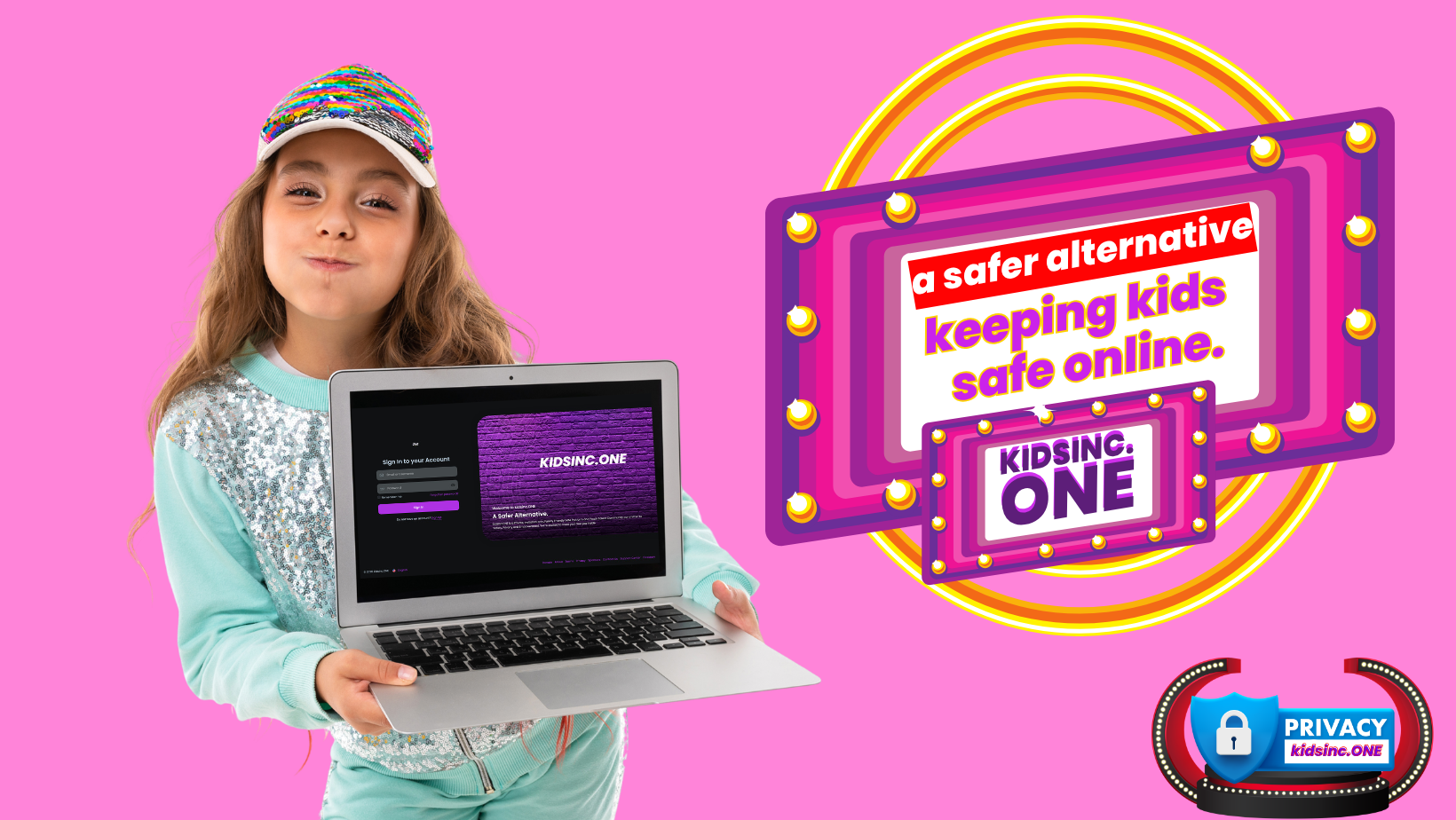
Developed by KIDS INC., a 501(c)(3) nonprofit with more than three decades of experience in youth empowerment and safety, kidsinc.ONE was engineered from the ground up to be a safe social platform without toxic, profit-driven algorithms or artificial personas.
Instead of interacting with isolated, manipulative AI bots, kidsinc.ONE provides a real, human-to-human alternative for youth creators, artists, athletes, and everyday kids to find their community safely.
How kidsinc.ONE Solves the "81% Crisis" Without AI
- A Human-to-Human Safe Haven: The platform is designed specifically for young creators, performers, and thinkers to share their talents, build genuine fan clubs, and connect with peers. It provides the exact social validation young boys crave, but roots it in real human achievement and community support, not simulated bot interactions.
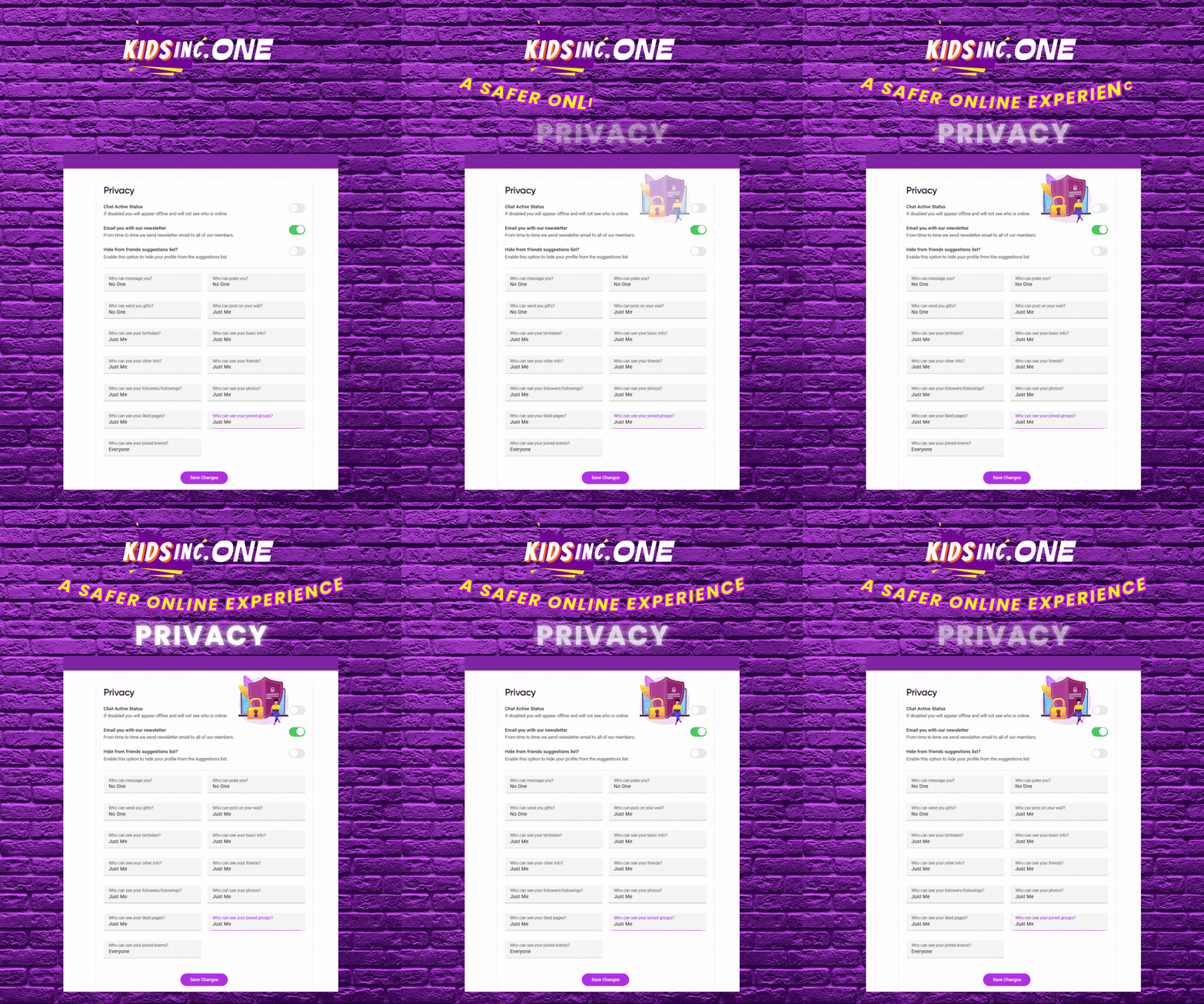
- Privacy by Default: Traditional social media and AI companion apps monetize kids by tracking their keystrokes, gathering their data, and pushing addictive feedback loops. kidsinc.ONE is strictly porn-free, with maximum privacy settings active by default. There is no tracking, no data harvesting, and no selling of member information to advertisers.
- Healthy, Safe Brain Stimulation: To combat screen addiction and lonely doom-scrolling, kidsinc.ONE features 700 casual, link-free, and ad-free games sponsored by Forestry Games. These are designed to encourage positive brain exercise and clean entertainment within a fully protected ecosystem.
- Built on Safety, Not Profit: Because it is driven by a non-profit foundation rather than venture capitalists looking to maximize "time-on-app" metrics,
kidsinc.ONE prioritizes member well-being above everything else. It is a structured environment entirely free of cyberbullying, stalkers, and harmful content.
Rebuilding the Village
The Male Allies UK report is an urgent wake-up call for parents, educators, and tech advocates alike. If 81% of our young boys feel they have nowhere to go to just be themselves, we cannot blame them when they find solace in the artificial warmth of a chatbot.
The goal shouldn't be to fear technology, but to change what we build with it. Platforms like kidsinc.ONE prove that we can create digital spaces that protect children's innocence while nurturing their need for social connection. It's time to pull our young people back from the brink of synthetic intimacy and show them that the real world—and real human community—is still a safe place to land.
To learn more about how you can support, join, or fund this safe social alternative for youth, visit the official KIDS INC. Platform Hub and explore their latest safety insights on the KIDS INC. Blog.
KIDS INC BLOG